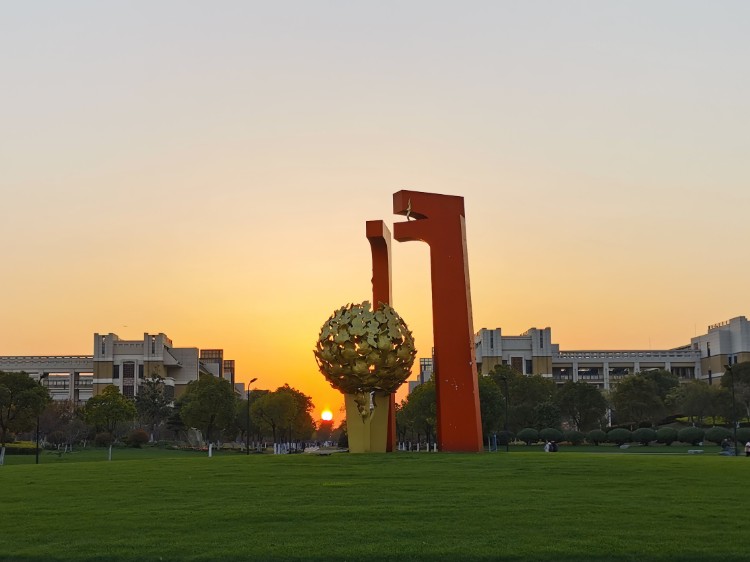
In a bid to fully implement the national strategy of building a leading education nation and the overall plan for comprehensive education reform, Shanghai Institute of Technology (SIT) has brought together the high-quality educational resources of the School of Urban Construction and Safety Engineering and the School of Ecological Technology and Engineering to establish the Faculty of Urban Construction and Ecological Technology. The Faculty has always upheld the fundamental task of fostering virtue through education. Leveraging its distinctive strength in the interdisciplinary integration of engineering, science and agriculture, it is devoted to cultivating high-caliber, interdisciplinary and application-oriented innovative talent, and serves the high-quality economic and social development of the region with high-level scientific and technological advances.
Guided by the reform orientation of "cultivating talent for industry", and building on two distinctive platforms, the Industrial College of Urban Safety and Smart Emergency Response and the Industrial College of Smart Ecology and Low-Carbon Energy, the Faculty has set up four industry-education centers, namely Smart Safety and Emergency Response, Urban Renewal, Ecology and Energy, and Smart Landscape Architecture and Horticulture. The Faculty has taken the initiative to break down the barriers between traditional disciplines and to align itself closely with the core development needs of industry. It has built a systematic and integrated talent cultivation system and shaped a collaborative education model featuring the integration of industry with education and the convergence of science with education, while continuing to optimize the structure of its disciplines and programs. Priority has been given to emerging interdisciplinary programs such as urban renewal and smart emergency response, so that program development keeps pace with the progress of industry.
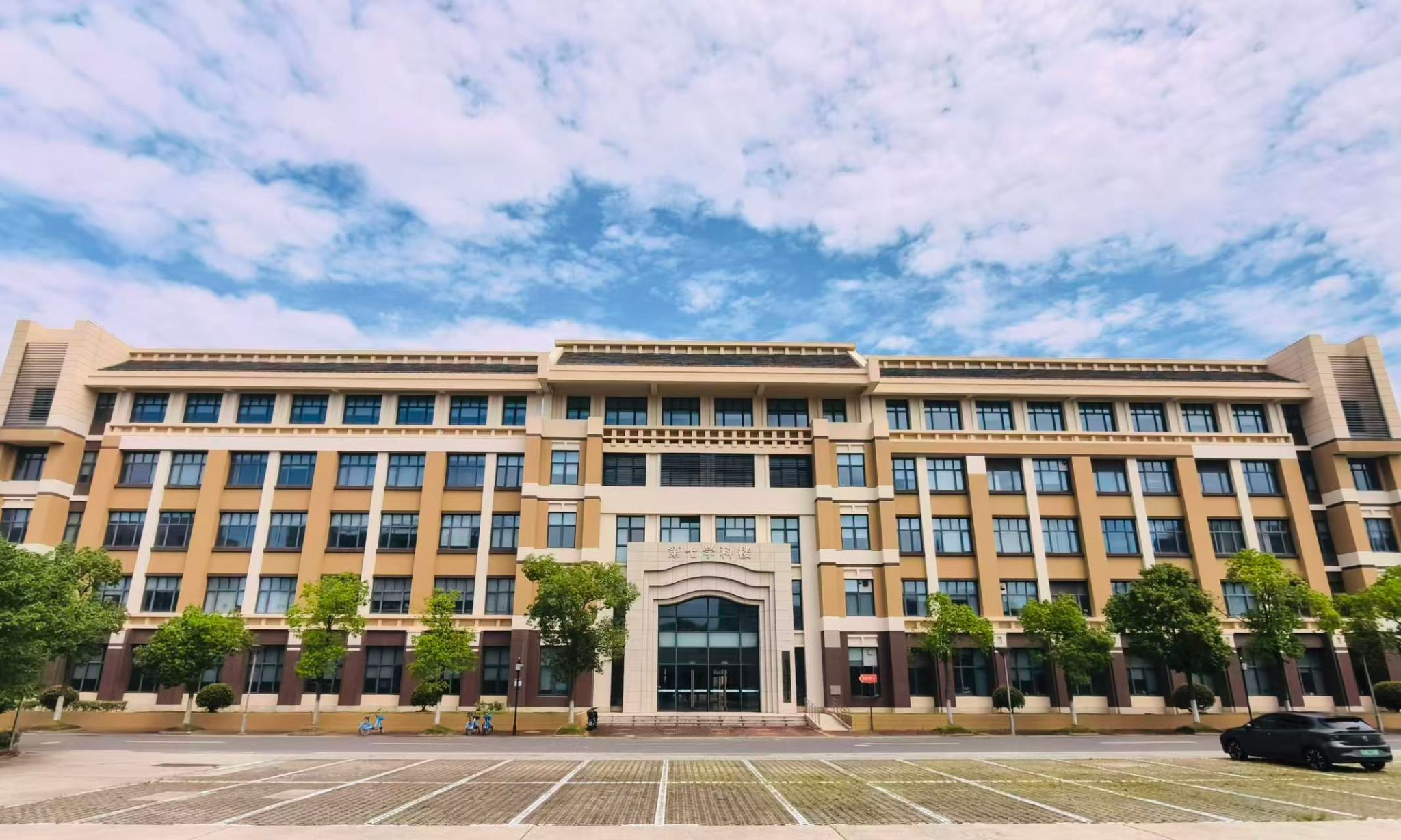
The Faculty has a complete disciplinary and program layout with a sound tiered system. It currently offers eight undergraduate programs: Safety Engineering, Energy and Environmental Systems Engineering, Civil Engineering, Architecture, Ecology, Landscape Architecture, Horticulture and Engineering Management. Among them, Civil Engineering is a national first-class undergraduate program development site, while Safety Engineering, Landscape Architecture, Horticulture and Engineering Management are Shanghai municipal first-class undergraduate program development sites. The Faculty is authorized to confer master's degrees in Ecology as a first-level discipline and professional master's degrees in four fields, namely Resources and Environment (Safety Engineering), Landscape Architecture, Civil and Hydraulic Engineering and Agriculture. Drawing on the University's doctoral program in Chemical Engineering and Technology as a first-level discipline, it also carries out doctoral training, thus forming a full-coverage, integrated whole-chain talent cultivation system running from undergraduate through master's to doctoral studies.
The Faculty's teaching staff is well structured and full of innovative vitality. It currently has 165 faculty and staff members, including 22 professors and 58 associate professors, more than 90 supervisors of doctoral and master's students and more than 50 graduate supervisors from industry and enterprises. More than 85% of its full-time teachers hold doctoral degrees, and more than 86% are dual-qualified teachers with both academic standing and industry experience. The Faculty has established a dual-mentor collaborative education mechanism that pairs academic supervisors on campus with mentors from industry, and has built a high-level teaching team with outstanding teaching and research capabilities and deep integration of industry, academia and research, thereby laying a solid talent foundation for talent cultivation, discipline development and research breakthroughs.
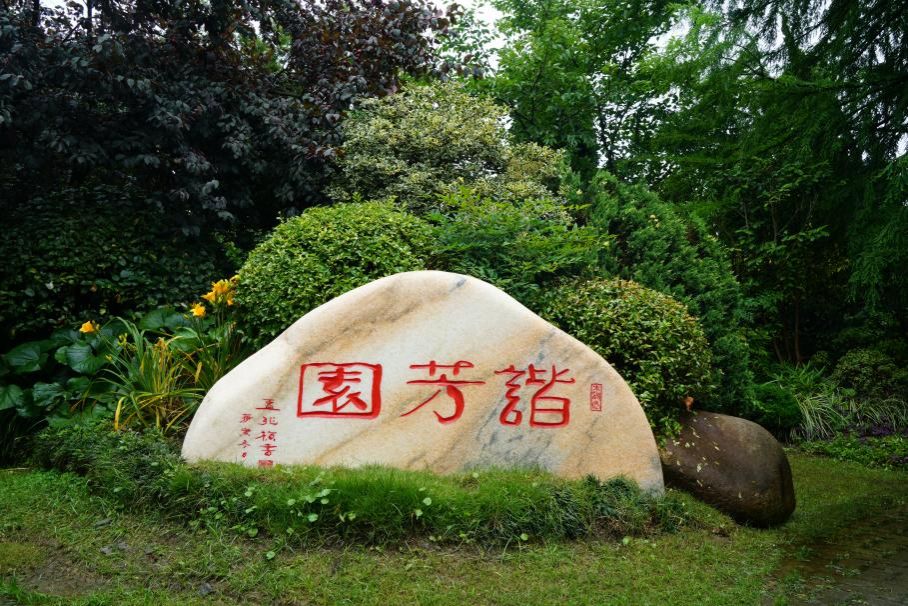
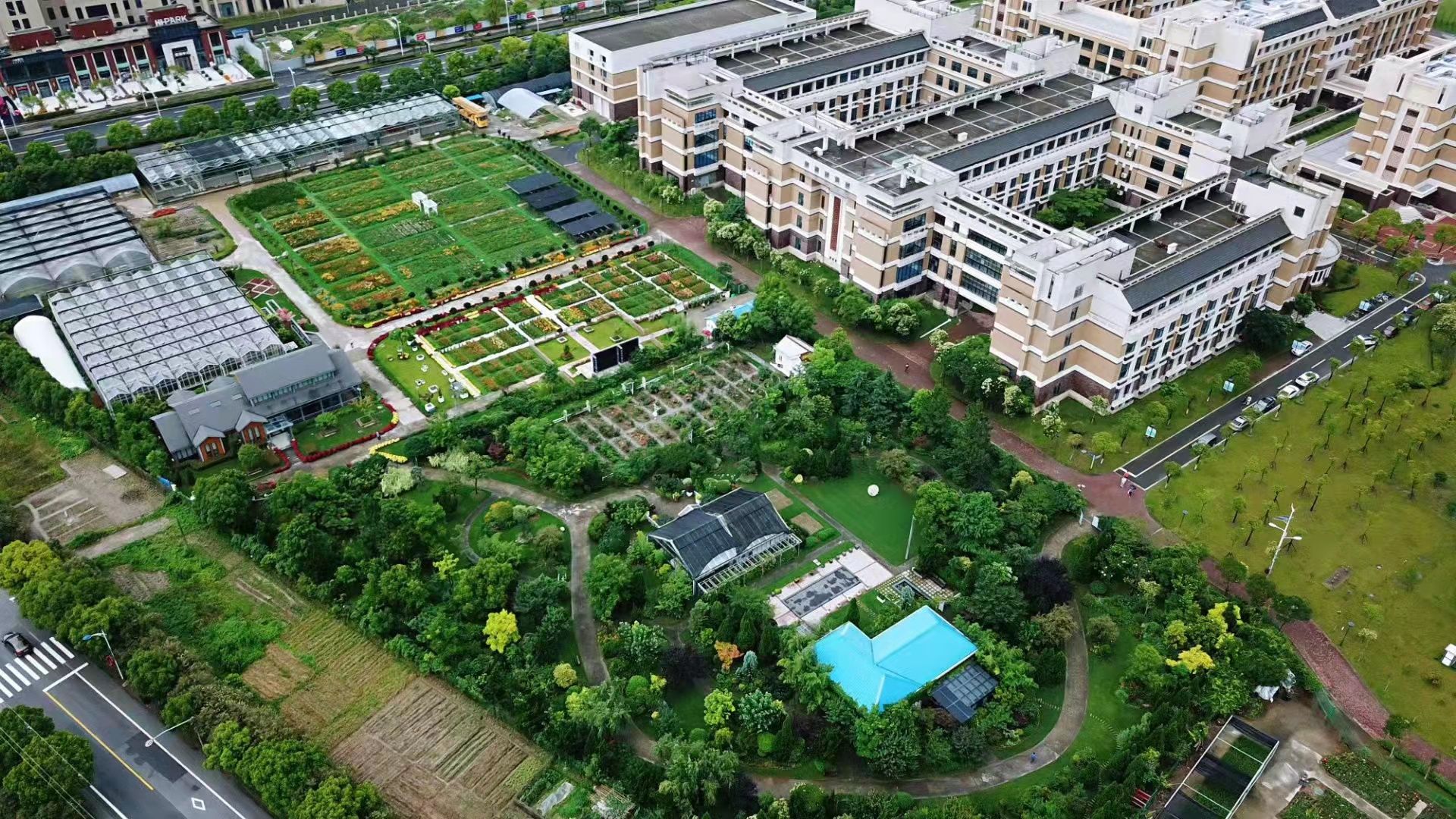
The Faculty enjoys excellent teaching and research conditions and solid support for its educational operations. It has more than 11,000 square meters of specialized laboratories and modern greenhouses, equipped with high-end research and teaching facilities such as a 10,000 kN multi-functional testing system. It hosts two Shanghai municipal demonstration centers for experimental teaching, namely the Comprehensive Experimental Center for Architecture and Civil Engineering and the Comprehensive Experimental Center for Landscape Plants and Application, as well as several training bases for dual-qualified teachers. The campus botanical garden, named "Xiefang Garden" in the calligraphy of Meng Zhaozhen, Academician of the Chinese Academy of Engineering, has been approved as a municipal demonstration site under Shanghai's Civic Self-Cultivation Action, and is a high-quality educational vehicle that integrates teaching practice, research practice and science popularization. Building on these quality resources, the Faculty has created a distinctive education model known as the "Four Doubles, Four Reforms and Four Constructions", which precisely matches the demand for talent arising from industrial upgrading and social development.
The Faculty has a rich array of research platforms at various levels and a strong capacity for social service. It hosts national and provincial or ministerial research platforms and think tanks, including the National Daylily Germplasm Bank, the Institute for a Beautiful China and Ecological Civilization (a Shanghai university think tank), the Key Laboratory of Process Safety and Intelligent Control of the Shanghai Municipal Emergency Management Bureau, the Shanghai Engineering Technology Research Center for Urban Road-Area Ecology, and the Shanghai Daylily Germplasm Nursery. With the approval of the Shanghai Municipal Health Commission, the Faculty and the Shanghai Institute of Chemical Occupational Disease Prevention and Treatment jointly established the Shanghai Technical Guidance Center for Engineering Protection against Occupational Hazards (Toxic Substances). It has also joined hands with the China Occupational Safety and Health Association to establish the Safety and Emergency Industry Research Institute, the first of its kind at a Chinese higher education institution. The Faculty serves as the institution to which several professional committees of industry societies are affiliated, including the Landscape Plant Committee of the Chinese Society of Landscape Architecture and the Landscape Plants and Horticulture Committee of the Shanghai Society of Plant Biology, and it is a council member of the National Biochar Science and Technology Innovation Alliance and the National Innovation Alliance for Landscape Plants and Human Settlement Construction.
The Faculty has produced fruitful research results and provides strong support for decision-making. In recent years, its teachers have led more than 100 national and provincial or ministerial research projects, including topics under the National Key R&D Program and projects funded by the National Natural Science Foundation of China. They have successfully bred more than 30 new flower varieties and completed the international registration of more than 20 new daylily varieties, and have won more than 30 provincial or ministerial science and technology progress awards and industry science and technology awards. More than 20 think-tank reports have received affirmative instructions from leaders at the provincial or ministerial level and above, providing important decision-making support for the development of ecological civilization and for enhancing urban safety and resilience.
Committed to open education, the Faculty has developed a multi-level and all-round framework of domestic and international collaboration. Internationally, it runs joint training programs with renowned universities in the United Kingdom, the United States and other countries, creating quality platforms for students to pursue further studies and academic exchange abroad. Domestically, it has established long-term and stable strategic partnerships with top universities and research institutes such as Shanghai Jiao Tong University, Tongji University, the Chinese Academy of Sciences, the Chinese Academy of Agricultural Sciences, the Chinese Research Academy of Environmental Sciences and the China Academy of Safety Science and Technology, and works closely with them in joint talent cultivation, major research breakthroughs, and the co-building and sharing of quality resources, thereby steadily enhancing the Faculty's core competitiveness and its influence in the industry.
Looking ahead, the Faculty will hold fast to the philosophy of ecological civilization, take root in Shanghai while reaching out across the country, adhere to the educational orientation of being application-oriented and driven by technological innovation, carry forward SIT's spirit of "virtue with refined skills and unremitting pursuit of knowledge and practice", and focus on two core development directions, namely "urban lifelines plus ecosystem safety" and "industrial safety plus smart emergency response". Centering on disciplinary frontiers such as sustainable urban safety renewal, ecological low-carbon energy, and smart landscape architecture and horticulture, and keeping closely in step with the green and ecological development of major metropolitan areas and the public's demand for a high quality of life, the Faculty will uphold the fundamental task of fostering virtue through education and cultivate in an all-round way high-caliber, application-oriented innovative talent who are well developed morally, intellectually, physically, aesthetically and in labor. In doing so, it will provide solid talent and technological support for the green and safe development of Shanghai and the Yangtze River Economic Belt, for the national effort to build an ecological civilization, and for building a people's city that is innovative, livable, beautiful, resilient, civilized and smart.